
Maternal Health
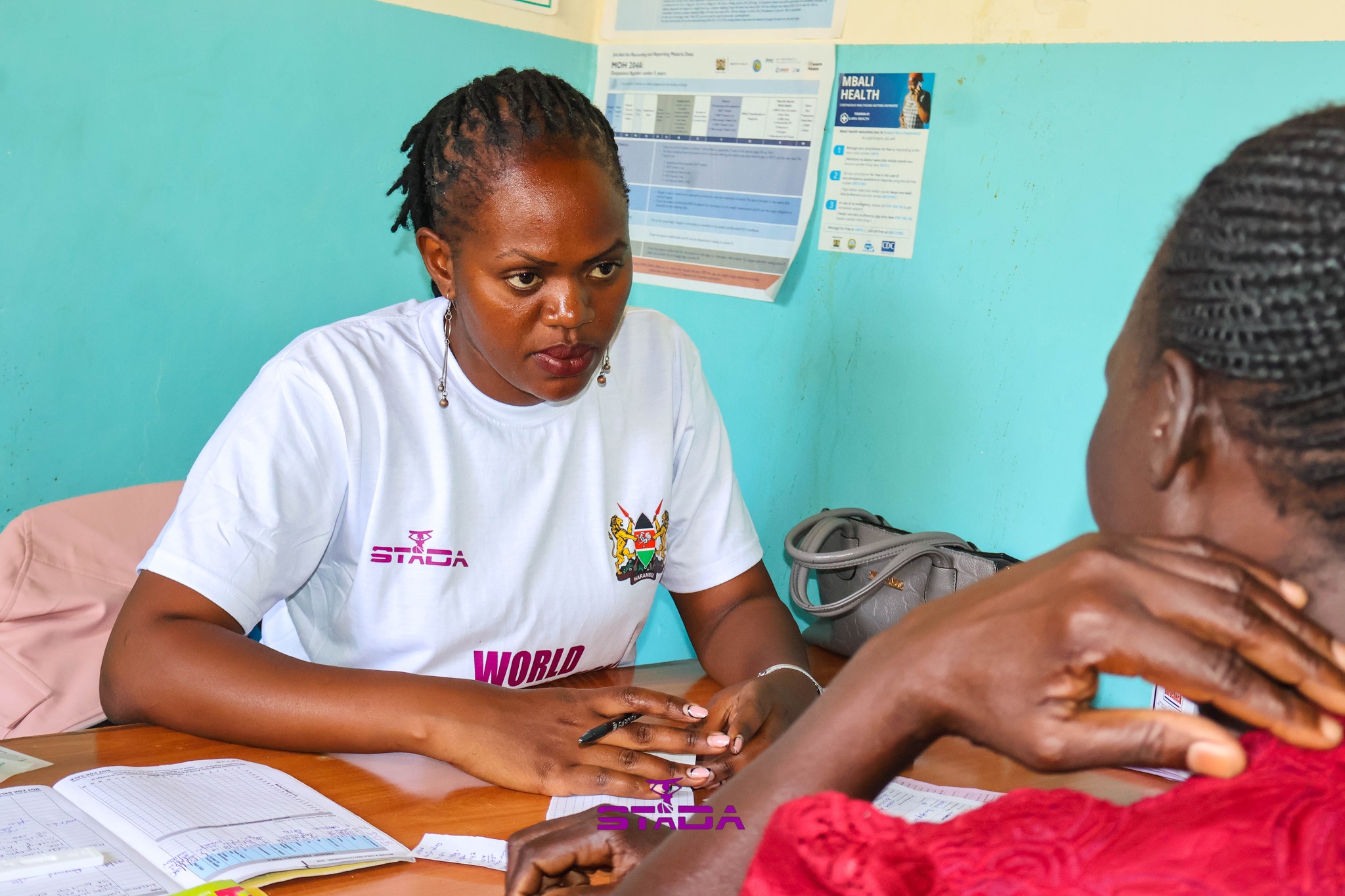
Improving maternal health is central to our strategy. We address the leading causes of maternal mortality; postpartum haemorrhage, obstructed labor, unsafe abortion, sepsis, and pre-eclampsia/eclampsia, by strengthening systems and promoting respectful, evidence-based care. Our focus includes:
- Emergency obstetric and neonatal care
- Training health workers in respectful maternity care
- Access to skilled birth attendants and essential medicines
- Early detection and referral of complications
- Community engagement, including men, to promote early care-seeking

Menstrual Health
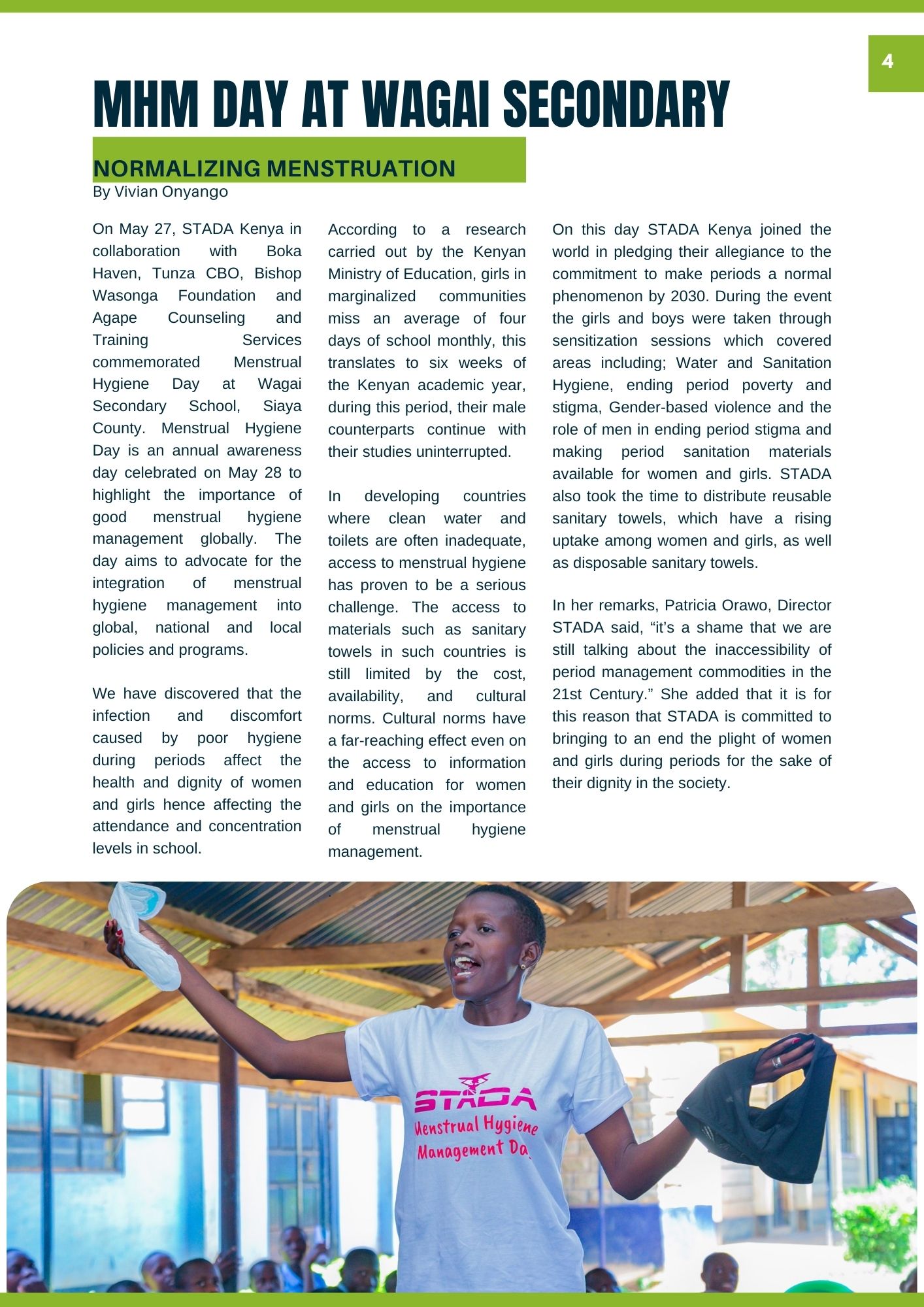
Menstrual health is foundational to dignity and gender equity. We address period poverty and stigma by expanding access to products, education, and policy advocacy, ensuring girls stay in school and women participate fully in daily life. Our interventions include:
- Distribution of reusable and disposable pads
- Support for women-led menstrual product enterprises
- Menstrual health education in schools and communities
- Advocacy for menstrual equity policies
- Engaging all genders to break taboos

Mental Health & Psychosocial Support (MHPSS)
Mental well-being is essential to holistic health. Our MHPSS programs support women, girls, caregivers, and survivors of trauma through integrated, community-based approaches. Key interventions:
- Psychological first aid and trauma counselling
- Peer support groups and safe spaces
- Anti-stigma and awareness campaigns
- School-based life skills and resilience programs
- Training teachers, caregivers, and frontline workers

Non-Communicable Diseases: Sickle Cell Disease
We are expanding our health portfolio to address sickle cell disease which is an inherited condition that remains underdiagnosed and stigmatized. Our work includes:
- Promoting newborn screening and early diagnosis
- Building caregiver and peer support networks
- Training health workers in sickle cell management
- Community education to reduce stigma and misinformation

Universal Health Coverage & Primary Health Care
We champion Universal Health Coverage (UHC) and Primary Health Care (PHC) as the foundation for equitable health systems. Our approach prioritizes prevention, early intervention, and community accountability. We work to:
- Strengthen community-based health systems
- Bring services closer to homes, especially in rural areas
- Improve affordability and equitable access
- Mobilize communities for participation and accountability

Health in Practice
Our health programs strengthen systems while placing women and children at the centre of care.
- Rights-based health services
- Maternal and reproductive health support
- Menstrual dignity and education
- Mental health and psychosocial care
- Chronic disease awareness and management
- Community-led primary health systems