Monitoring for Accountability
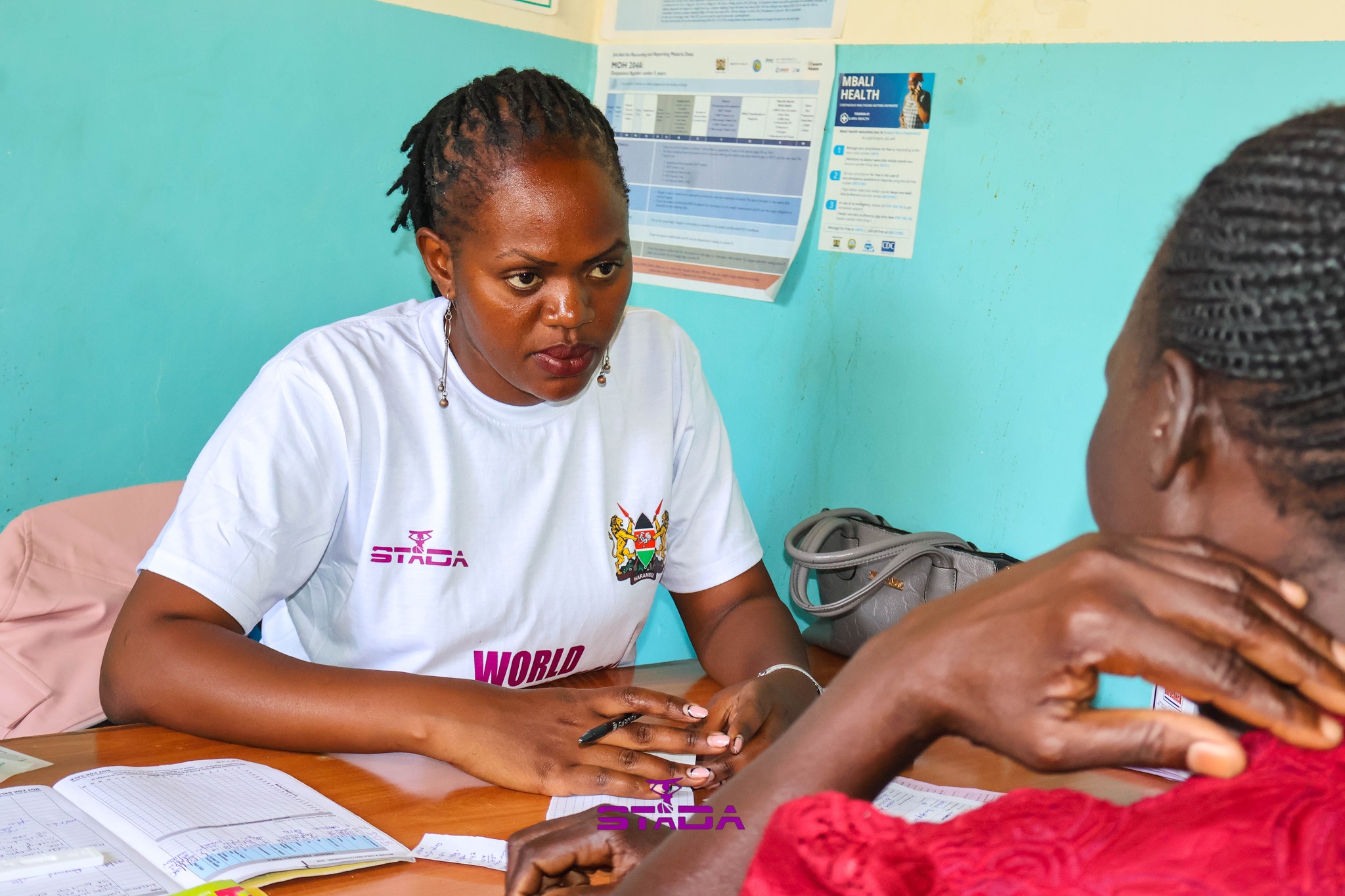
We systematically track progress against objectives to ensure programs are delivered as planned and resources are used responsibly. Communities are actively engaged in monitoring to promote ownership, transparency, and accountability.
- Routine data collection and activity tracking
- Community surveys and feedback mechanisms
- Focus group discussions
- Field monitoring and site visits

Research for Deeper Understanding
We conduct participatory and applied research to explore complex social, economic, and gender issues affecting communities.
- Transactional Sex for Fish along Lake Victoria
- Amplifying Ratego Stories and Knowledges
- A co-research initiative with young mothers in social movements in East Africa
- Research is conducted ethically, collaboratively, and with respect for lived experience.

Learning for Adaptation
Learning is central to how we work. We turn data and research into insight supporting reflection, adaptation, and innovation across programs. Learning strengthens quality, relevance, and long-term impact.
- Reports, case studies, and learning briefs
- Internal reflection sessions and knowledge sharing
- Cross-program learning and adaptive management
Evaluation for Impact
Evaluation helps us understand results, effectiveness, and unintended outcomes. We assess what works, what does not, and why using both qualitative and quantitative methods.
- Effectiveness and relevance of interventions
- Equity, gender responsiveness, and inclusion
- Outcomes for women, girls, and marginalized groups
- Lessons to inform adaptation and decision-making
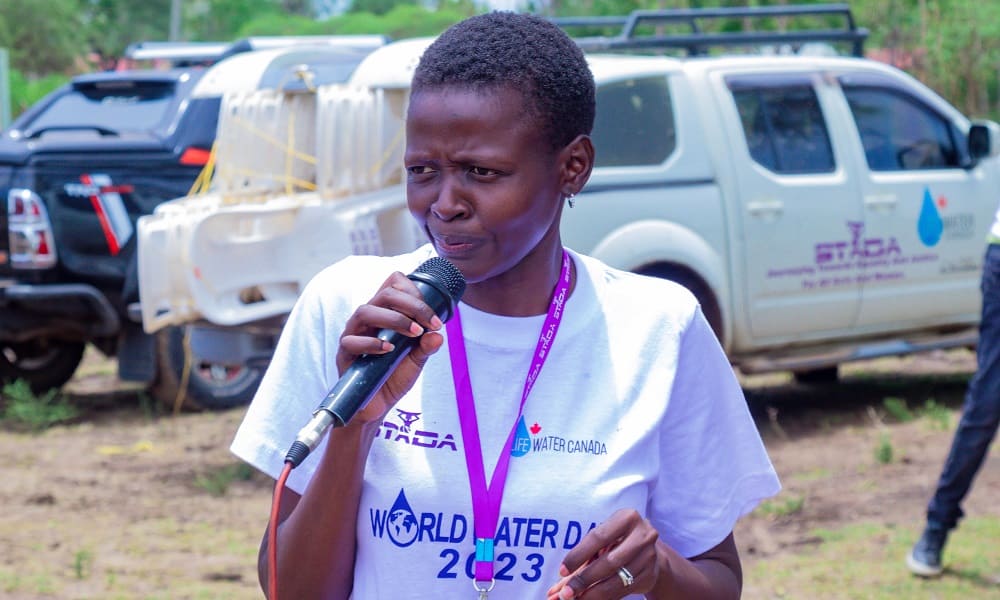
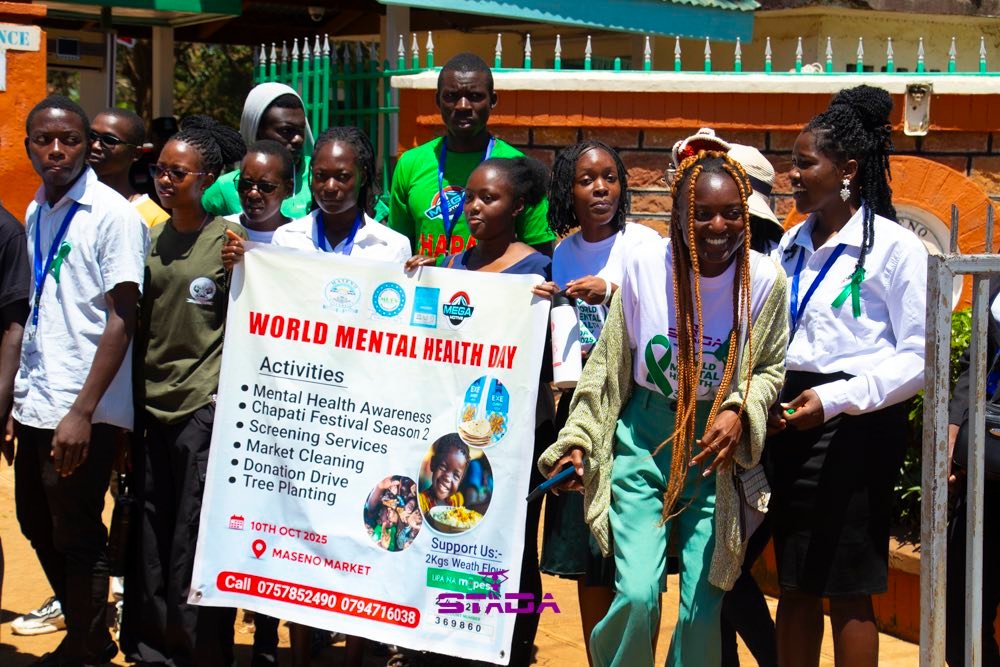
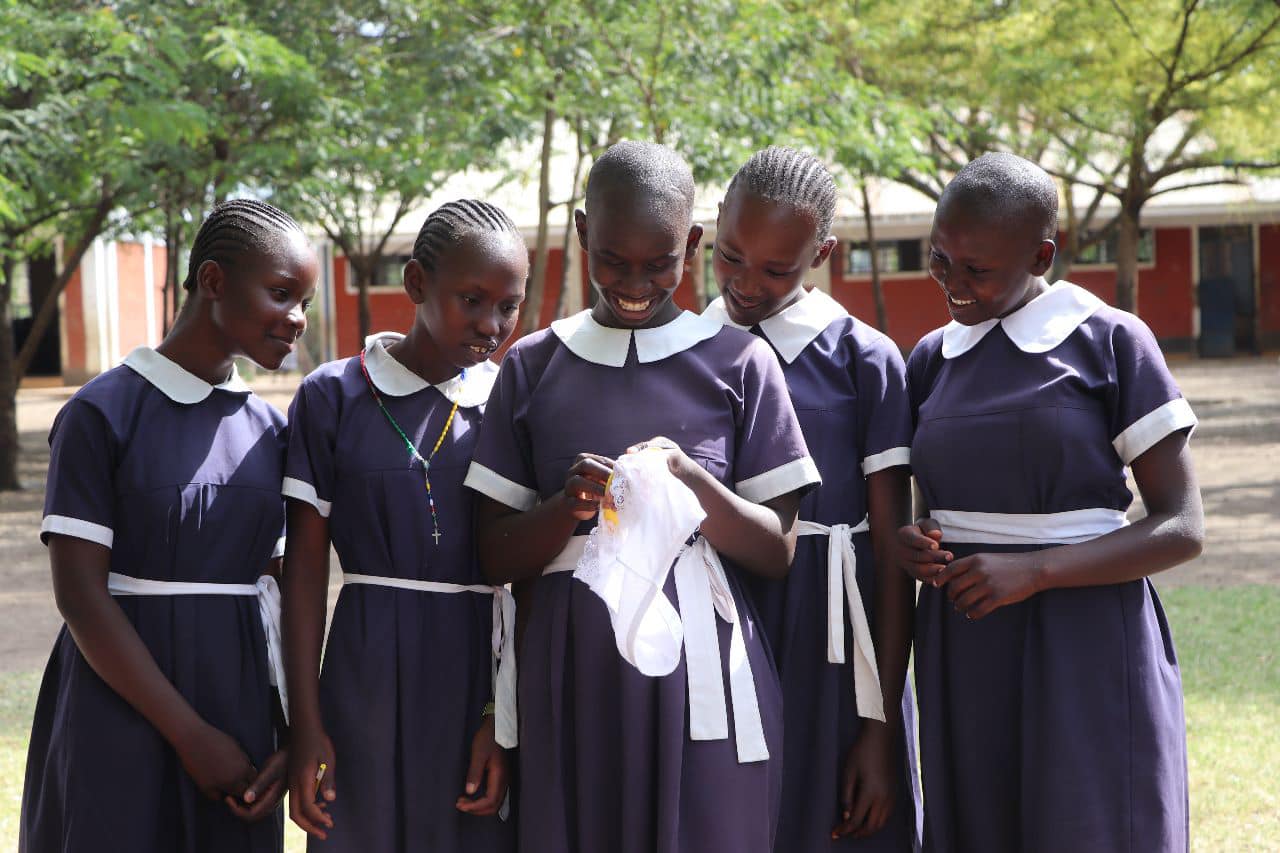

MERL in Practice
Our MERL system supports the organization to remain responsive, evidence-driven, and accountable.
- Community-engaged monitoring
- Gender- and equity-sensitive evaluation
- Ethical, participatory research
- Knowledge sharing and learning products
- Continuous program improvement