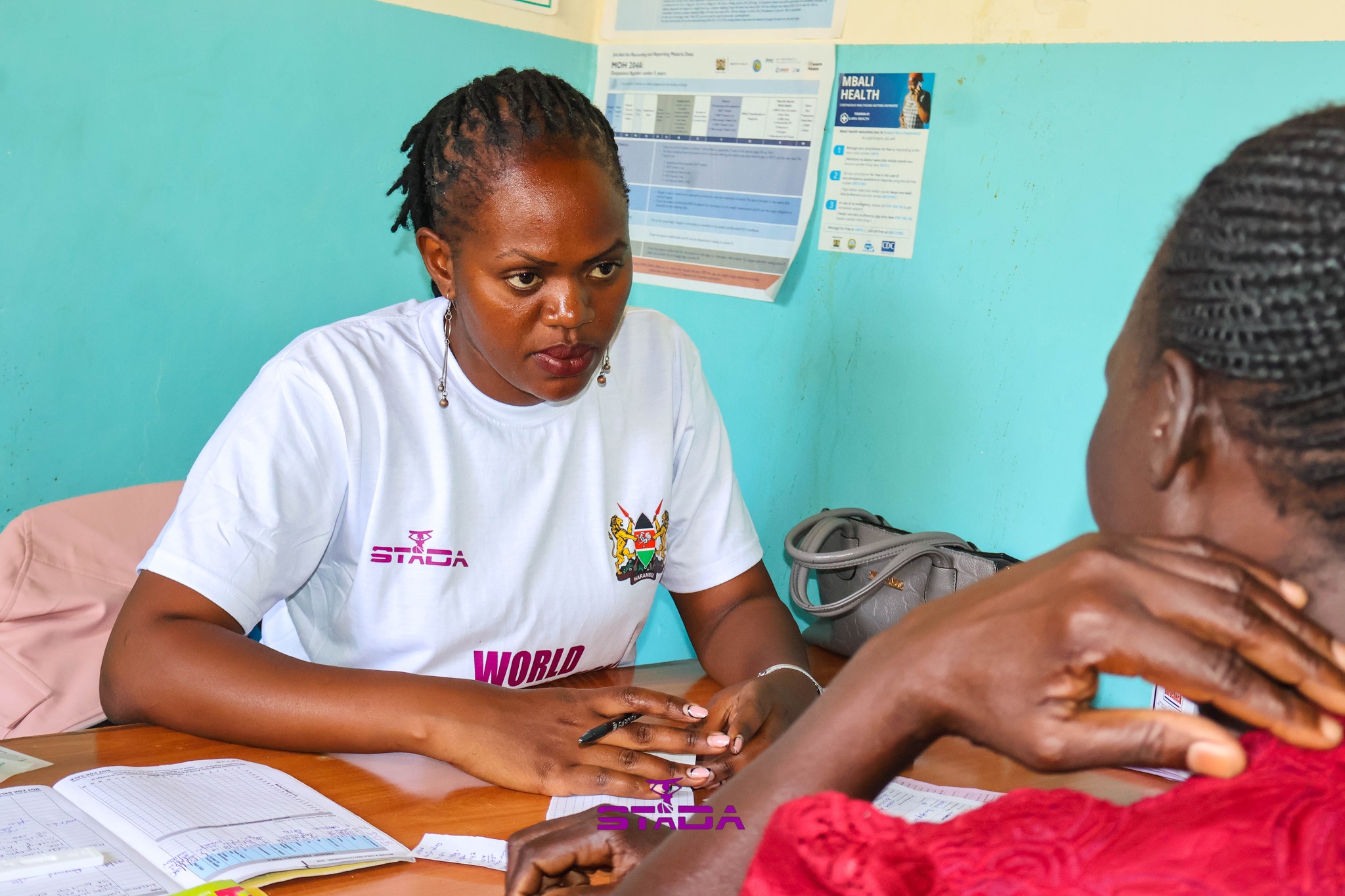
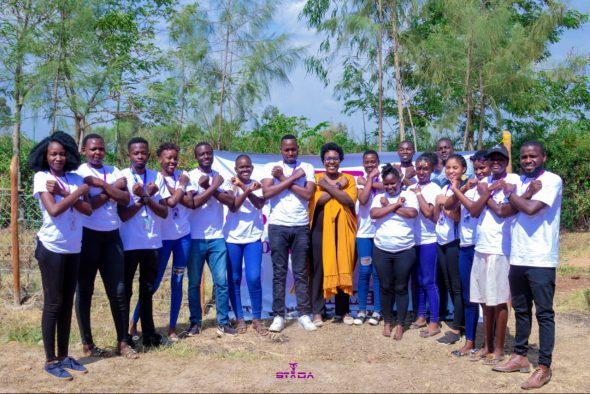


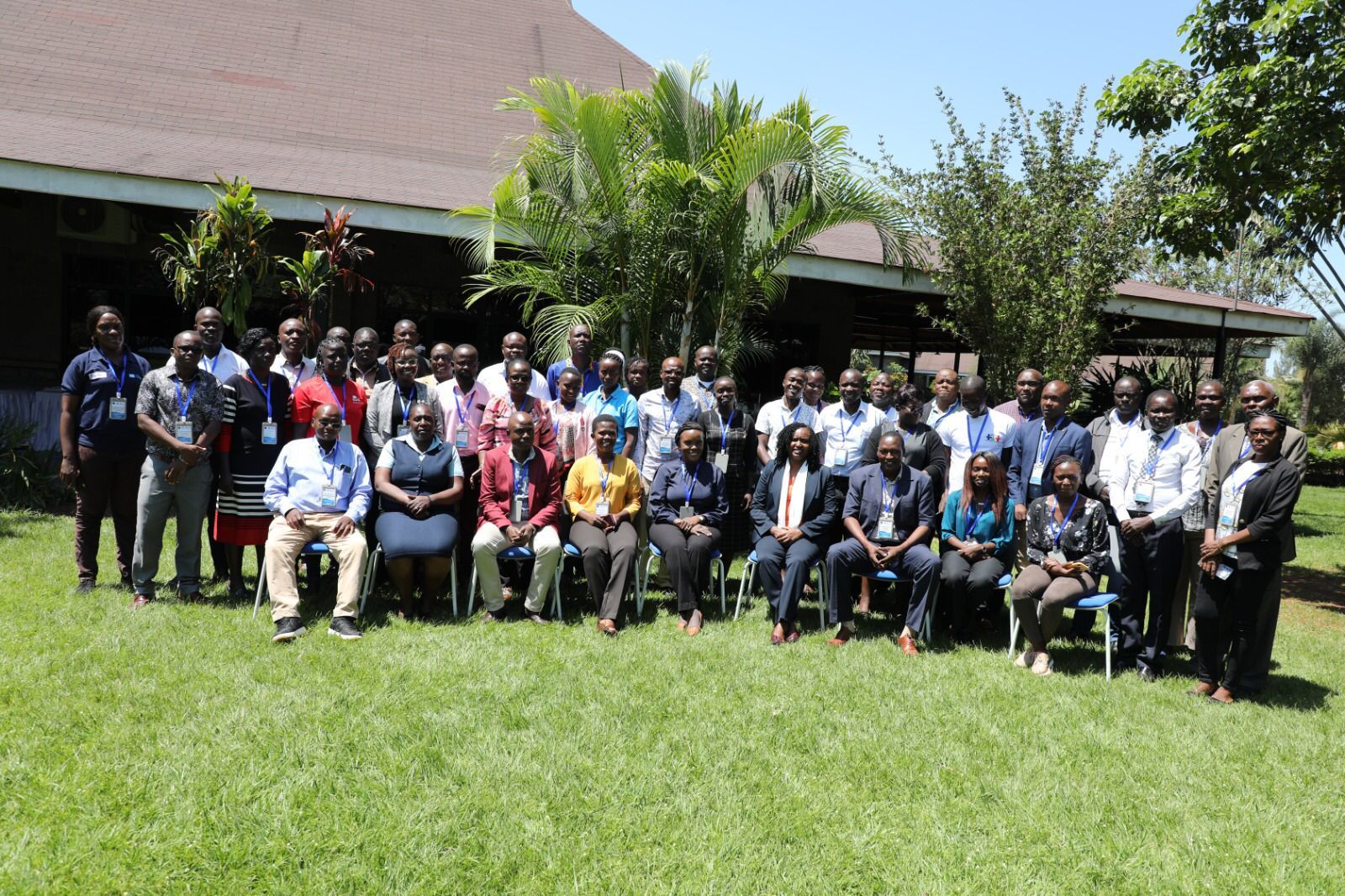
On June 16, 2023, PUSH held a regional dialogue between midwives and women rights organizations to discuss the midwifery practice in Kenya and chart a way forward to streamline services at the grassroot level.
The dialogue brought together midwives and women rights organizations to explore the lived experiences of midwives as well as stir the Women Rights Organizations to start the conversation around the prioritization of midwife issues in their agendas in order to address the challenges surrounding the midwifery practice.
The conversation was centered around more funding for more midwives, improved education and training, better pay and working conditions, status, respect and autonomy, and improved gender norms.
Midwives have for a long time worked under destitute conditions with a heavy workload that does not translate to their pay. These issues have adversely affected their service delivery which is crucial in the realization of zero maternal and newborn mortality.
“A well supported midwife means a healthy mother, and a healthy society,” said Rosemary Owuor, “that’s how important this profession is in the realization of zero maternal deaths,” she added.
Another imminent challenge raised is the lack of training and education. Midwifery is taught as a unit under nursing and one can only specialize at the postgraduate level at only two institutions country wide, this has caused a knowledge and personnel gap.
In her remarks the Regional Coordinator for PUSH and STADA CEO, Patricia Orawo stated that the midwife’s representation has been scraped off in the Nurses and Midwives Council in the ongoing Health reforms Sector, this will immensely affect the practice since the needs of the midwives will not be articulated accurately. She also strongly condemned the assumption that all nurses are midwives, she called for the streamlining of these two professions as they are different yet very important in the health sector. Ms. Orawo implored the members to be proactively involved in policy making on matters affecting midwifery.
The members present came to the following conclusions as a way forward to improve the working conditions and service delivery in this important practice.
- Increased midwives’ voices in clinical and high-level decision-making spaces to ensure adequate supplies and equipment to deliver high quality midwifery-led care;
- Improved midwives’ pay and work conditions to ensure more and better supported personnel;
- Increased status, recognition, autonomy for midwives through a clear scope of practice for midwifery and scheme of service for midwives;
- Increased and improved education and training for midwives to ensure professional growth opportunities;
- Increased funding for more midwives
The day was culminated by the launch of the Gender Alliance for Midwives to which STADA is now a member. The Alliance is set to bring together women rights organizations working in Kisumu County to act as intermediaries between the midwives and women in the community and policy makers.
Post a comment
Related Posts
January 24, 2026
Strengthening Maternal and Child Health Through Community Dialogue
STADA Kenya convened a maternal and child health dialogue at Rabuor Health Center, strengthening community-led…
January 24, 2026
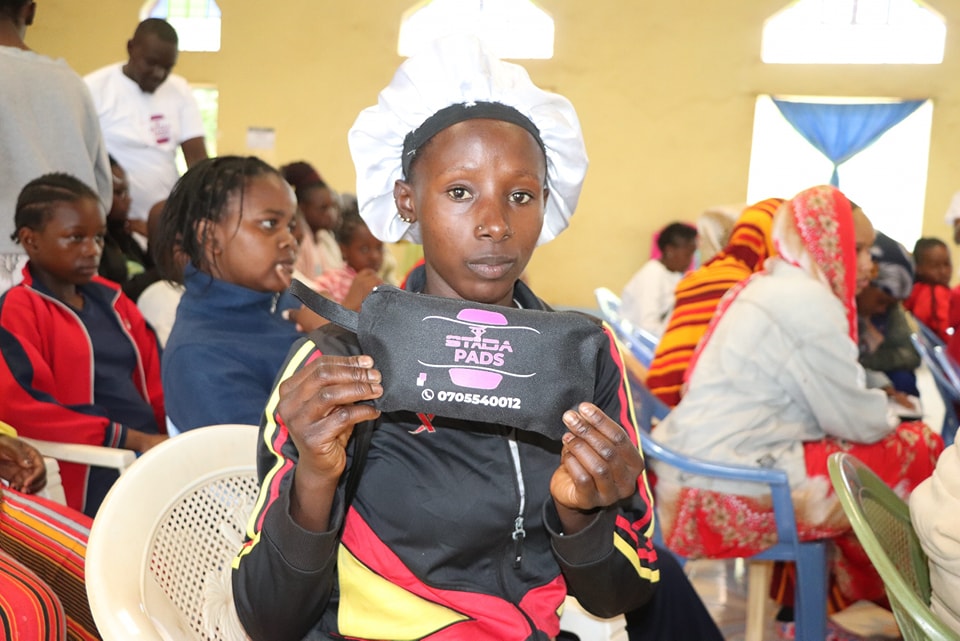
STADA Pads: Advancing Menstrual Dignity Through Quality and Innovation
STADA Pads has achieved KEBS certification and distributed over 25,000 reusable pads in 2025, advancing…

January 24, 2026
Empowering Talent: Miss and Mr. STADA Community Library Contest Recap
STADA Kenya celebrated youth creativity and confidence through the Miss and Mr. STADA Community Library…
January 24, 2026
STADA Kenya Participates in Nyando and Tamu Court Users Committee Training
As a member of the Nyando Sub-County Court Users Committee, STADA Kenya participated in a…