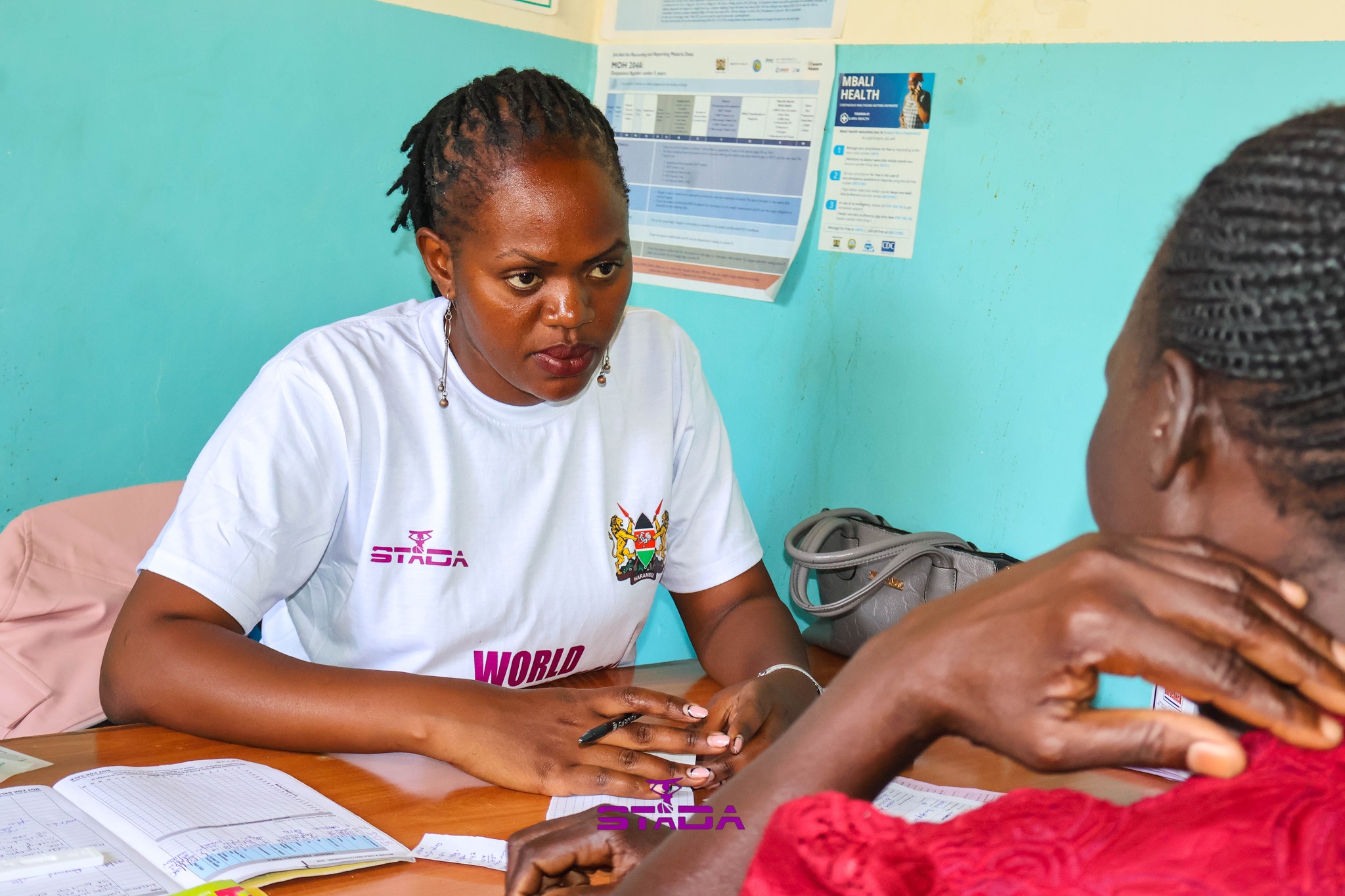
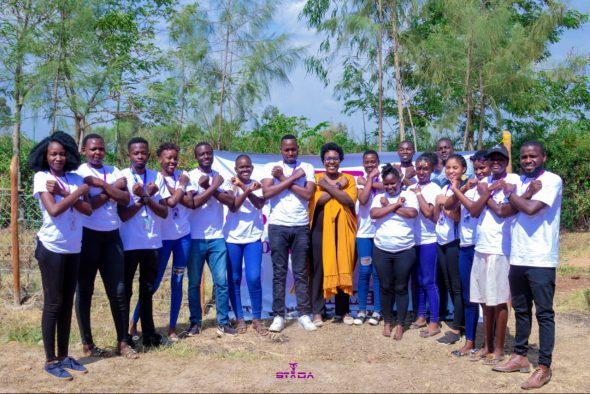

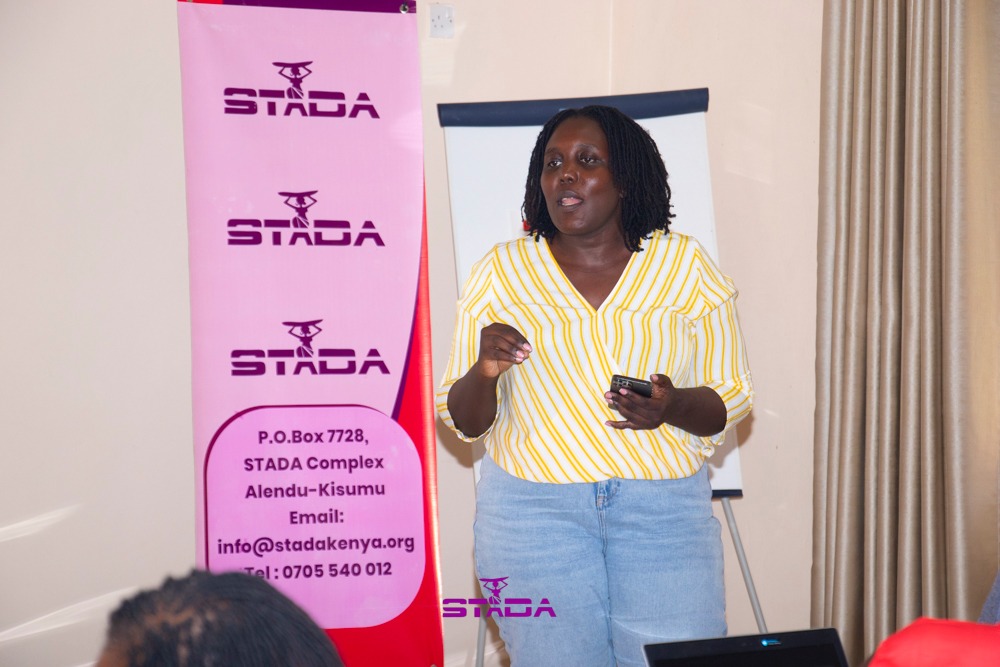
On May 27, STADA Kenya, in collaboration with Boka Haven, Tunza CBO, Bishop Wasonga Foundation, and Agape Counseling and Training Services, commemorated Menstrual Hygiene Management Day at Wagai Secondary School in Siaya County. The event was part of the global movement to advance menstrual hygiene management and advocate for policies and programs that protect the dignity, health, and rights of women and girls.
In many marginalized communities, limited access to clean water, sanitation facilities, and affordable menstrual products continues to undermine girls’ education, health, and confidence. Cultural stigma and misinformation further restrict access to accurate information, leaving many girls unprepared to manage their periods safely and with dignity.
Through this commemoration, STADA Kenya directly contributed to improving menstrual health outcomes by delivering targeted sensitization sessions for both girls and boys. These sessions addressed water, sanitation, and hygiene practices, period poverty and stigma, gender-based violence, and the role of men and boys in supporting menstrual dignity. By engaging the entire school community, STADA helped foster a supportive environment where menstruation is understood, normalized, and respected.
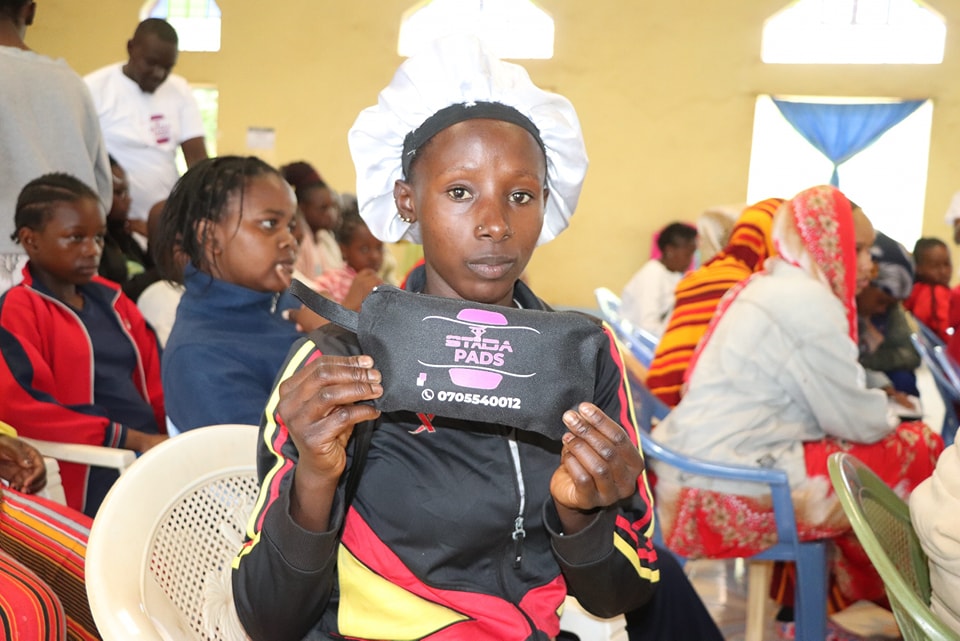
As part of the intervention, STADA Kenya distributed reusable and disposable sanitary towels, reducing immediate barriers to school attendance and enabling girls to participate in learning without interruption. The promotion of reusable sanitary pads also supported long-term sustainability and affordability for girls from low-income households.
The impact of the event extended beyond the day itself. By equipping students with knowledge, practical resources, and positive attitudes, STADA strengthened its broader mission to keep girls in school, protect their dignity, and challenge harmful norms that fuel inequality and gender-based violence.
Speaking at the event, Patricia Nudi Orawo, Executive Director of STADA Kenya, emphasized the organization’s commitment to menstrual equity, noting that access to menstrual hygiene materials should never be a barrier to education or dignity. She reaffirmed STADA’s resolve to end period poverty and ensure that women and girls can manage menstruation safely and confidently.
Post a comment
Related Posts
January 24, 2026
Strengthening Maternal and Child Health Through Community Dialogue
STADA Kenya convened a maternal and child health dialogue at Rabuor Health Center, strengthening community-led…
January 24, 2026
STADA Pads: Advancing Menstrual Dignity Through Quality and Innovation
STADA Pads has achieved KEBS certification and distributed over 25,000 reusable pads in 2025, advancing…
January 24, 2026
Empowering Talent: Miss and Mr. STADA Community Library Contest Recap
STADA Kenya celebrated youth creativity and confidence through the Miss and Mr. STADA Community Library…
January 24, 2026
STADA Kenya Participates in Nyando and Tamu Court Users Committee Training
As a member of the Nyando Sub-County Court Users Committee, STADA Kenya participated in a…